Skip to content
AI & company knowledge

Knowledge Management Is Dead. Intelligence Management Starts Now.

Knowledge management administered documents. What organisations need is the ability to decide well, even when their most experienced person is missing. What makes the difference.

Sebastian Walker, CEO, Omnora · 4 min read
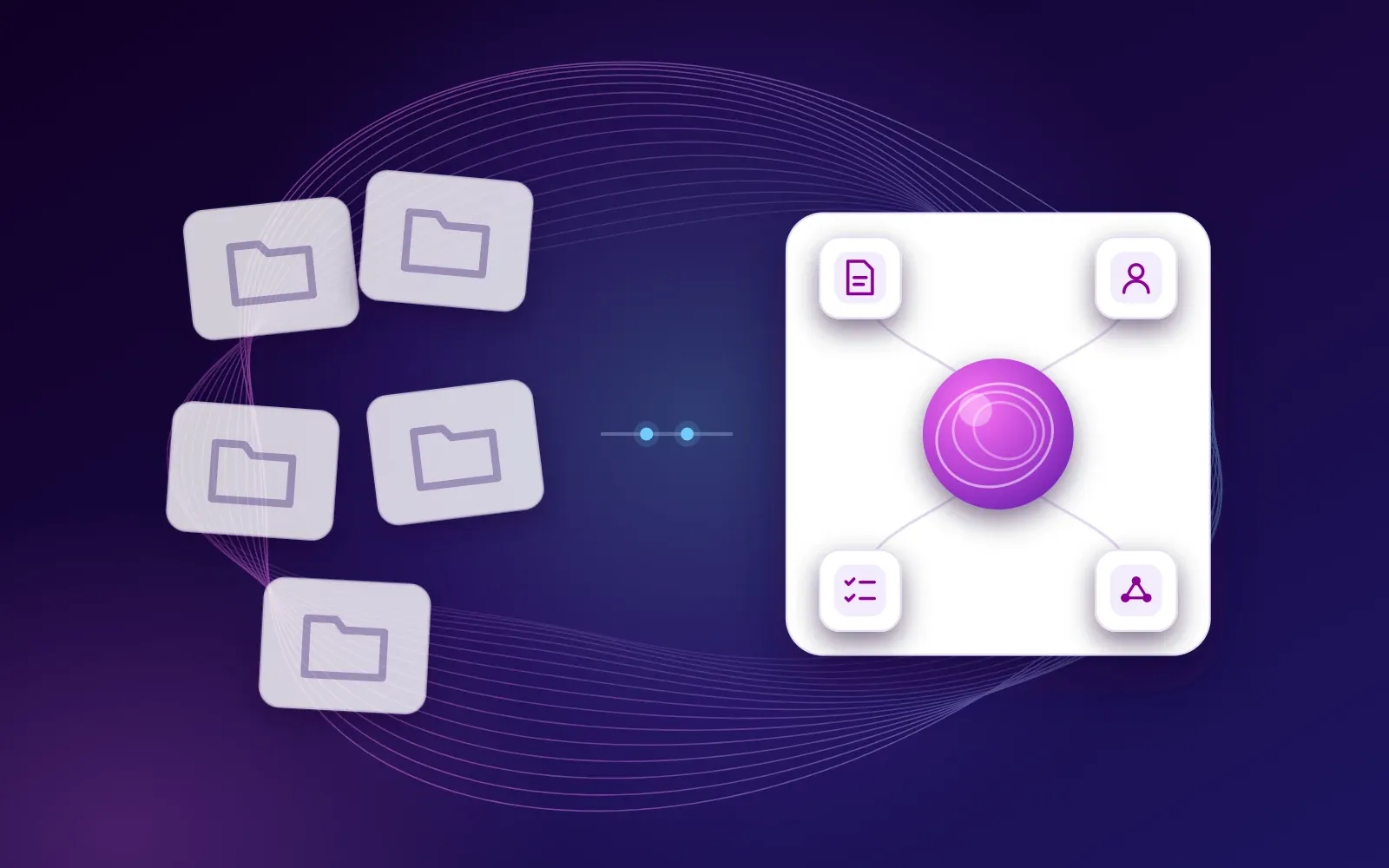
Illustration: on the left scattered folders, on the right connected knowledge around a central core
Contents
  1. What knowledge management promised
  2. What intelligence management does differently
  3. Why it is becoming urgent now
  4. What this means for you
  5. What remains
  6. Frequently asked questions

What is the difference between knowledge management and intelligence management?

Knowledge management focused on filing documents and making them findable. Intelligence management secures an organisation's ability to decide well: it captures expertise from people's heads, verifies it, gives it a named owner and makes it available to people and AI systems. The difference lies not in the tool but in the goal: the capacity to act rather than an archive.

Key takeaways

  1. An archive is not the capacity to act. Full wikis do not change the fact that critical questions still end with single individuals.
  2. What matters was never in the document. Exceptions, warning signs and reasons live in people's heads.
  3. AI widens the gap. Without verified context it gives plausible but unreliable answers.

Over the past few years I have seen a great many knowledge management projects. Almost all had the same goal: collect knowledge, file it, make it findable. And almost all ended at the same point. The wiki is full, the drive is tidy, and the most important question of the week still ends with one single person.

That is not a failure of the tools. It is a misunderstanding about what actually needs securing.

What knowledge management promised

The idea was good and still is: what an organisation knows should not be lost. It turned into filing structures, wikis, document management, search systems. Those who introduced them meant well, and for contracts, policies and manuals it works.

The problem is the rest. According to Panopto and McKinsey, 42 percent of job-related knowledge exists only in individual heads. And that rest is not random. It is the exceptions, the warning signs, the reasons why something is done the way it is. Exactly what makes an organisation able to act.

What intelligence management does differently

Intelligence management starts with a different question. Not: where do we file this? But: can this organisation still decide well tomorrow if its most experienced person leaves today?

Three differences follow. First, expertise is captured actively, in conversation with the people who hold it, instead of waiting for someone to write it down. Second, it is verified and given a named owner and an expiry date, so it is clear what applies. Third, it is taken to where decisions are made: to people as training or answers, and to AI systems as a reliable base.

Why it is becoming urgent now

Two developments turn an old problem into an acute one. The experienced generations are retiring across Europe, taking with them knowledge that was never documented. And organisations are betting on AI that would need exactly this knowledge. According to MIT NANDA (2025), 95 percent of AI pilots show no measurable return. In my observation that rarely lies with the model. It lies with the AI not knowing the organisation’s context.

AI cannot know anything nobody has told it.

What this means for you

You do not have to switch off your wiki. The question is a different one: what do you measure success by? If the answer is the number of documents, you are doing knowledge management. If it is how often a critical question still ends with one single person, you have arrived at intelligence management.

Why wikis and SharePoint alone are not enough for this is covered in the articles on the Confluence alternative and SharePoint. What it means for leadership when coordination becomes cheap and judgement expensive is described in the article on coordination and judgement.

What remains

I am convinced that in five years we will ask organisations a different question from today: how well they decide when the answer is in no document.

How well they manage their knowledge, nobody will ask any more.
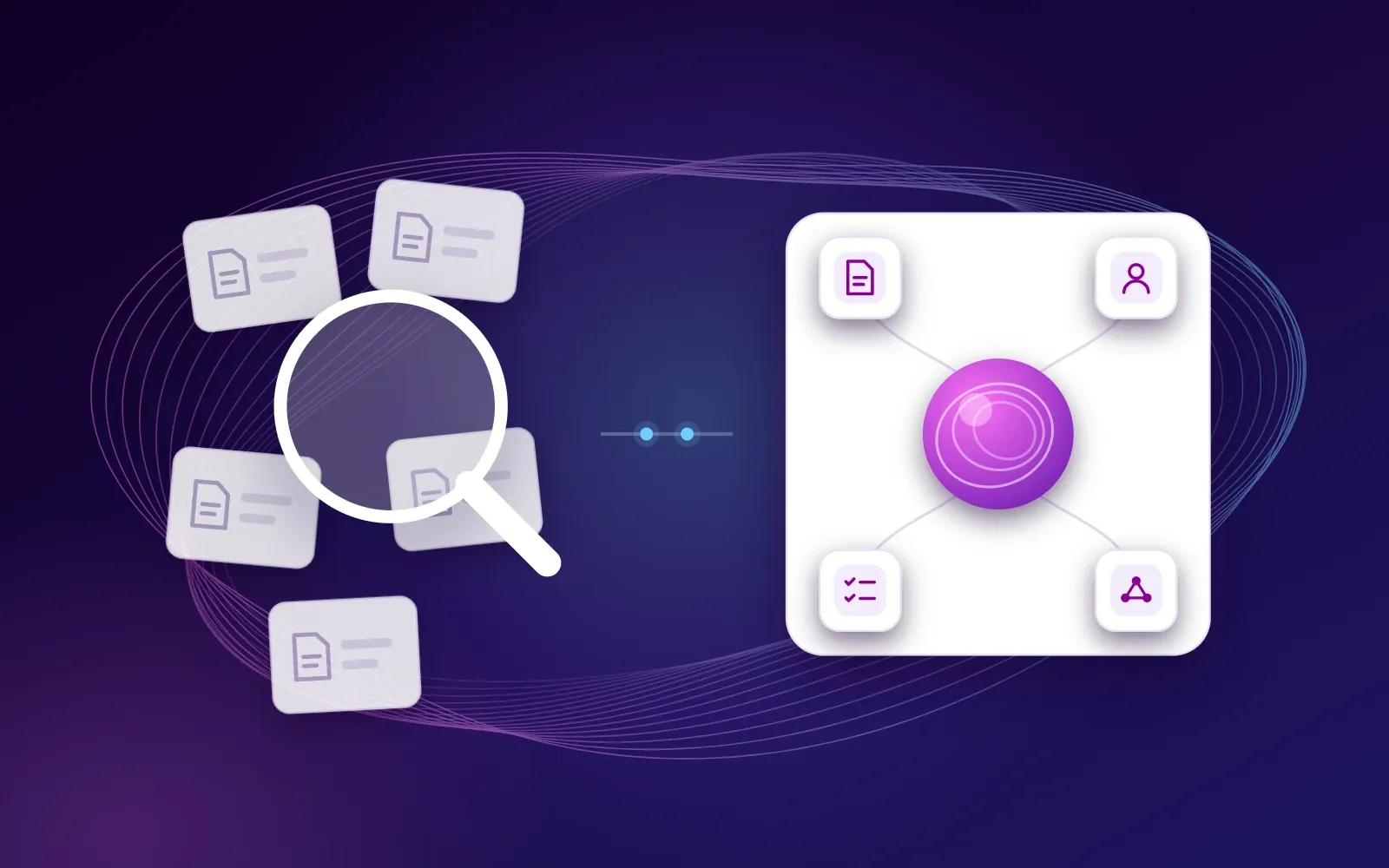
Intelligence Management captures expertise and makes it usable for people and AI: verified, approved and with a named owner.Intelligence Management overview

Frequently asked questions

What is intelligence management?

An approach that systematically captures specialists' expertise, verifies it and makes it available to people and AI systems. Every knowledge item has a named owner, an expiry date and a verification status.

Does that make knowledge management obsolete?

Filing documents remains necessary. What changes is the goal: rather than storing as much as possible, the aim is for decisions to turn out well even when the most experienced person is not available.

Why isn't a wiki enough?

Because a wiki without owners goes stale faster than it is filled, and because the decisive knowledge is rarely written down. It lives in exceptions and experience that only targeted questions bring to light.

What role does AI play?

AI can capture, structure and provide knowledge. But it cannot know anything nobody has told it. Without a verified base its answers stay generic or wrong.

Sources

  1. Panopto, Workplace Knowledge Report / McKinsey: 42 percent of job-related knowledge exists only in individual heads [Study]
  2. MIT NANDA (2025): 95 percent of AI pilots show no measurable ROI [Study]

Capture the knowledge before it leaves.

An AI interview takes about 30 minutes and costs your experts not a single page of writing. Try it yourself or let us show you on your own case.