
Skip to content
L&D strategy

Building a Corporate Academy: Why Many Academies Stay Empty and How Expert Knowledge Gets In

A corporate academy rarely fails because of the platform. It fails because content from the business units is missing. How to spot it and what helps.

Sebastian Walker, CEO, Omnora · 4 min read
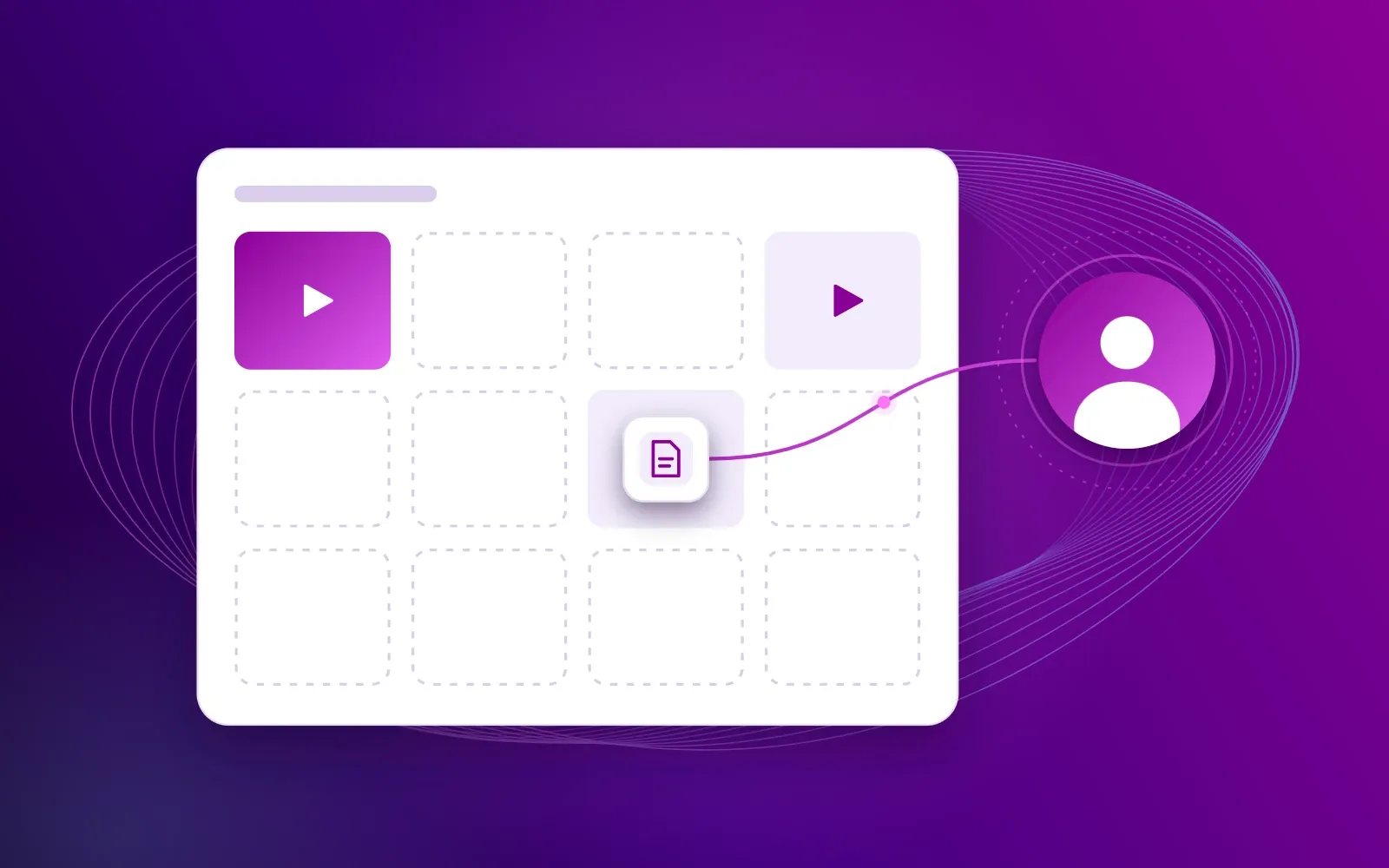
Illustration: a shelf with a few filled and many empty places, an expert filling one of them
Contents
  1. The symptom: full platform, empty shelves
  2. Cause one: production takes too long
  3. Cause two: experts don’t write
  4. Cause three: length and format
  5. An inventory before you plan more courses
  6. What fills the shelves
  7. Frequently asked questions

How do you build a corporate academy that people actually use?

A corporate academy gets used when it offers content that exists nowhere else: the knowledge of the organisation's own experts. Most academies start with bought-in standard courses and stay empty on company-specific topics, because production is too slow and experts have no time to write. Those who capture expert knowledge through interviews and turn it into short training fill the academy faster, with content employees actually need.

Key takeaways

  1. Empty shelves are the symptom. The platform is in place, but company-specific content is missing.
  2. Production is the bottleneck. Classic e-learning development takes weeks per learning hour that business units do not have.
  3. Capture knowledge first, then shape it. Training comes together faster from expert interviews than from blank storyboards.

The platform is set up, the academy logo shines on the intranet, the launch email has gone out. Six months later the usage figures paint a familiar picture: mandatory courses get completed, the rest barely gets a click.

The symptom: full platform, empty shelves

Look more closely and almost always the same pattern appears. The academy is full of bought-in courses on time management, communication and office software. The areas it was actually founded for are thin: the company’s own products, internal processes, the knowledge new colleagues urgently need in their first months.

Employees notice quickly. Anyone with a concrete question about their own job finds the answer not in the academy but with the colleague at the next desk.

So they do not come back.

Cause one: production takes too long

Developing company-specific e-learning the classic way takes 100 to 200 hours of work per learning hour (iSpring/Chapman). Produced externally, the market benchmark is up to EUR 40,000 per hour (Raccoon Gang, 2026). At that pace a small L&D team fills a handful of shelves a year, while the business units supply new topics faster than they can be handled.

Cause two: experts don’t write

The knowledge for company-specific content sits with experts who have other jobs. Filling in a storyboard or drafting slides is on nobody’s list. The result is a familiar ping-pong: L&D asks, the business unit promises, delivers a few bullet points weeks later, L&D asks again, the next round begins.

Cause three: length and format

Even where content is produced, it often does not fit everyday work. Classic mandatory courses reach around 25 percent completion, microlearning and interactive formats up to 90 percent (Continu, 2025). A forty-minute module on a topic that could be explained in three ends up on the pile for later.

An inventory before you plan more courses

Before the academy gets more content, a simple inventory pays off. For every topic the academy is supposed to cover, write down the name of the person who explains it best in the organisation today. Next to it, whether a training already exists. The list shows two things. First, where the academy is empty. Second, whom you need to fill it, and how stretched those people already are.

If the same name appears five times, you have found a single point of knowledge along the way.

What fills the shelves

The lever is not to make experts write. A half-hour interview with targeted follow-up questions yields more usable content than weeks of review rounds. Omnora turns it into a short training with voice-over, quiz and subtitles; production time typically falls by up to 80 percent per training hour. How to create more training without extra headcount is covered in the article on scaling training production.

Whether the academy then actually works is a separate question, covered in the article on measuring learning success. And to be honest: not every gap needs to become a training. Some topics are better served by a good contact person on the intranet than by a course nobody updates after three months.
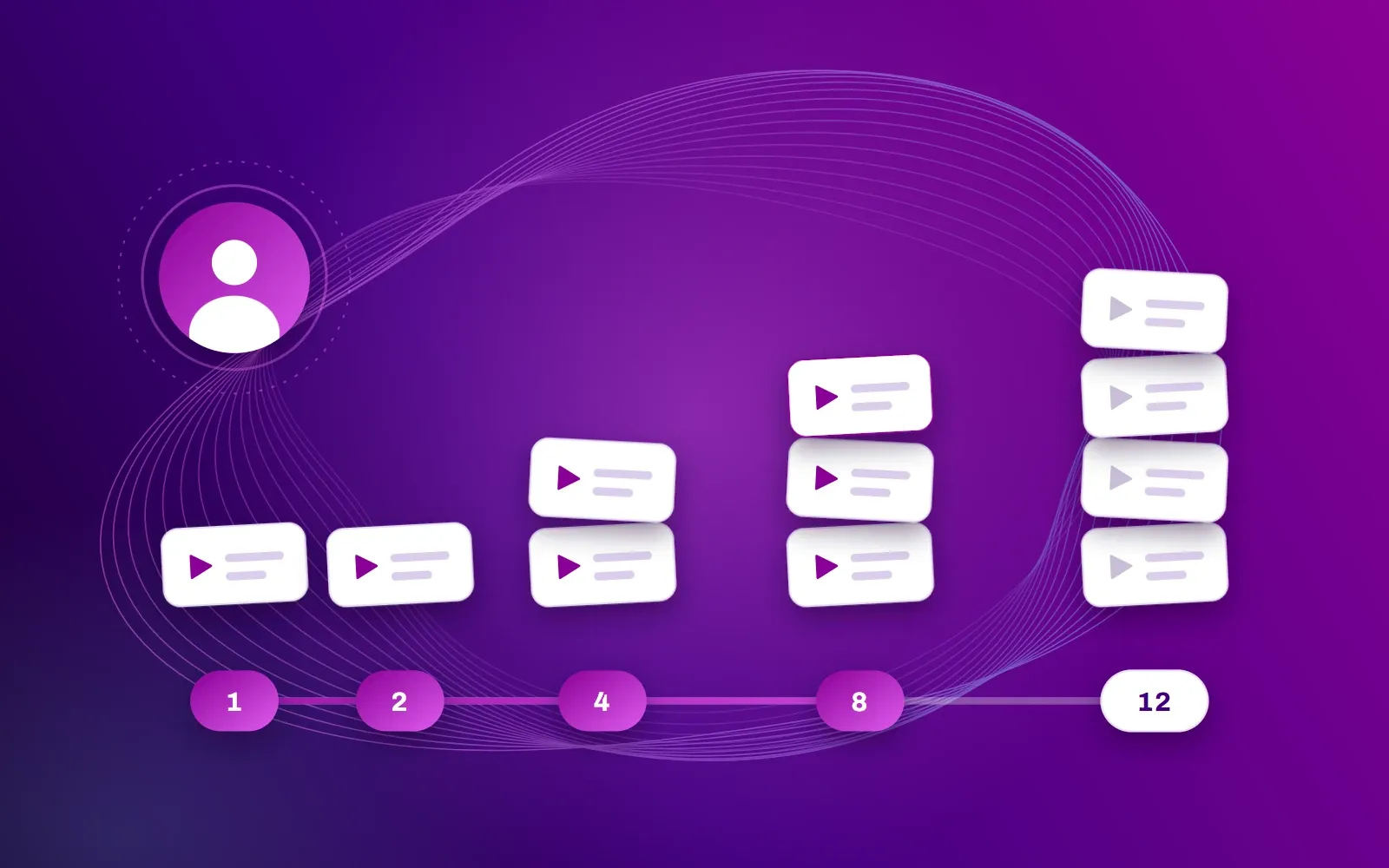

A corporate academy filled with content from your business units: training built from existing knowledge, in hours rather than weeks.More on the corporate academy

Frequently asked questions

What is a corporate academy?

An internal learning offer that bundles development: subject knowledge, leadership, mandatory topics, onboarding. It usually runs on an LMS or learning platform, complemented by classroom formats.

Should an academy buy in standard courses?

For general topics such as communication or office software, yes; it is sensible and cheap. What makes the difference, though, is company-specific knowledge: products, processes, customers. No external provider can supply that.

How long does it take to produce one hour of e-learning?

Traditionally 100 to 200 hours of development work per learning hour (iSpring/Chapman). With AI-supported production from existing material, effort typically falls by up to 80 percent per training hour.

Who should own an academy's content?

Business units for subject accuracy, L&D for instructional design, quality and maintenance. It only works if the business units have to spend little time on it.

Sources

  1. iSpring / Chapman: 100 to 200 hours of development work per hour of e-learning [Study]
  2. Raccoon Gang (2026): up to EUR 40,000 for one hour of externally produced e-learning, market benchmark [Study]
  3. Continu (2025): around 25 percent completion on classic mandatory courses, up to 90 percent for microlearning and interactive formats [Study]
  4. Omnora: typically up to 80 percent less production time per training hour [Omnora experience value]
All articles: L&D strategy

Your next training, in hours rather than weeks.

In 30 minutes we show how your documents or an AI interview become a finished video training. Free of charge, no preparation needed.